
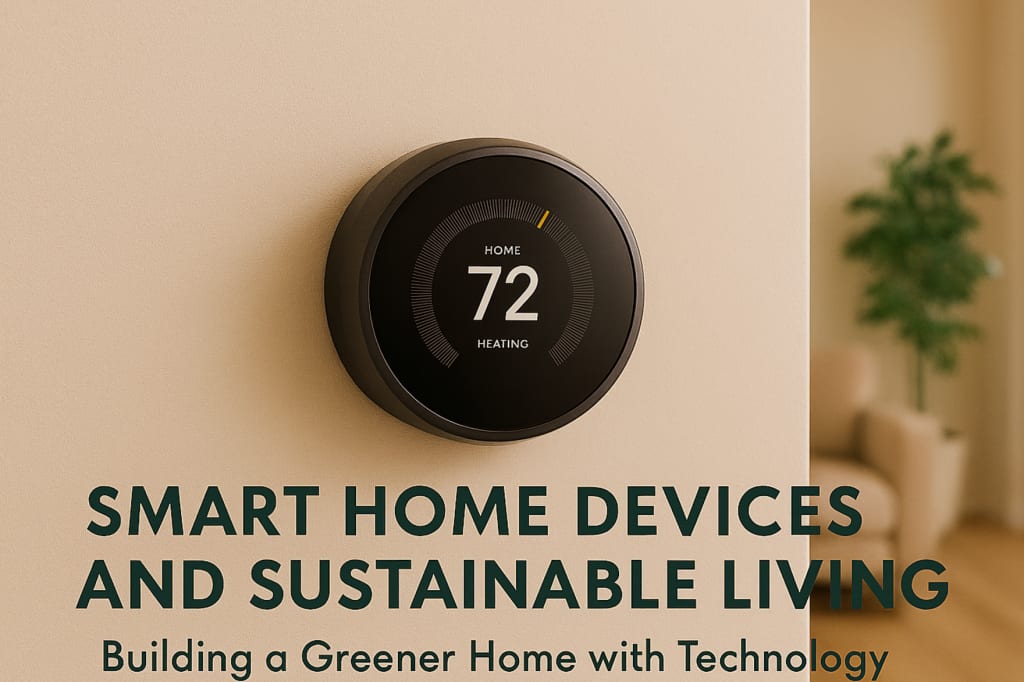
Sustainable home living is no longer just about recycling or switching to LED bulbs. Today, smart home devices are playing an increasingly important role in helping homeowners reduce energy waste, conserve resources, and live more intentionally. When used thoughtfully, smart technology can support a more sustainable lifestyle without sacrificing comfort or convenience.
In this article, we’ll explore how smart home devices contribute to sustainability, which areas of the home see the biggest impact, and how homeowners can make practical, eco-conscious choices when adopting smart technology.
What Makes a Home “Smart” and Sustainable?
A smart home uses connected devices—often controlled through a smartphone app or voice assistant—to automate and optimize everyday household functions. Sustainability comes into play when these devices help reduce unnecessary energy use, manage resources more efficiently, or provide insights that encourage better habits.
Rather than focusing on “high‑tech for the sake of tech,” sustainable smart homes emphasize efficiency, awareness, and smarter decision-making. Many modern systems are designed specifically to address energy consumption, heating and cooling efficiency, lighting usage, and water conservation.[greenlivin...ration.com]
Energy Efficiency: The Biggest Sustainability Win
Energy use is one of the largest environmental impacts of any home, which is why many smart devices focus on optimizing electricity and heating or cooling systems.
Smart Thermostats
Smart thermostats are among the most widely adopted sustainable home technologies. They can adjust heating and cooling based on schedules, occupancy, or environmental conditions, helping reduce wasted energy when no one is home or when conditions change. Over time, this automation encourages more efficient temperature management without requiring constant manual adjustments. [cedia.org]
Smart Lighting
Smart lighting systems pair energy-efficient LED bulbs with automation features such as timers, dimming, and motion detection. These systems help ensure lights are only on when needed, reducing unnecessary electricity use. Even small changes—like lights automatically turning off in empty rooms—can addup to meaningful energy savings over time. [cedia.org]
Smart Appliances
Many modern appliances now include smart or connected features designed to optimize resource use. Dishwashers, washing machines, and refrigerators may monitor usage patterns, adjust cycles for efficiency, or allow delayed operation during lower‑demand periods. While the sustainability impact depends on how they’re used, these features can support more mindful energy and water consumption. [twogreenleaves.org]
Water Conservation Through Smart Technology
Sustainable living isn’t just about electricity—water is another critical resource. Smart water‑related devices help homeowners monitor and manage usage more effectively.
Leak detection sensors, smart irrigation systems, and water monitoring tools can alert homeowners to unusual usage patterns or potential leaks. By identifying issues early, these devices can help reduce water waste and prevent damage, while also encouraging more responsible consumption habits. [todayshomeowner.com]
Data, Awareness, and Better Habits
One of the most overlooked benefits of smart home devices is the visibility they provide. Many systems offer dashboards or reports showing energy or water usage over time. This data doesn’t automatically make a home sustainable—but it gives homeowners the information they need to make smarter choices.
Seeing real-time or historical usage can prompt small behavioral changes, such as adjusting schedules, reducing standby power, or rethinking daily routines. Sustainability often comes from incremental improvements rather than a single dramatic upgrade.
Making Smart Choices for a Greener Home
While smart devices can support sustainability, they are still physical products that require energy and resources to manufacture. A sustainable approach means choosing devices intentionally rather than adopting technology indiscriminately.
Some practical considerations include:
- Prioritizing devices that address your biggest energy or water challenges
- Using automation features consistently, not just occasionally
- Keeping devices updated and well-maintained to extend their lifespan
- Avoiding unnecessary upgrades when existing solutions still work well
As many experts point out, smart technology is most effective when paired with conscious user behavior—the tools support sustainability, but they don’t replace mindful living. [todayshomeowner.com]
The Future of Sustainable Smart Homes
As smart home technology continues to evolve, sustainability is becoming a more central design goal. Integration with renewable energy systems, smarter energy management platforms, and more efficient devices are shaping how homes function today and in the future. [secureiot.house]
For homeowners interested in sustainable living, smart home devices offer a practical way to align everyday comfort with long-term environmental responsibility.